Global warming is a pressing issue that affects our planet’s climate and environment. Learn about the causes and effects of global warming, as well as ways to reduce your carbon footprint and mitigate its effects. Stay informed and take action to protect our planet for future generations. Explore our resources on global warming today.
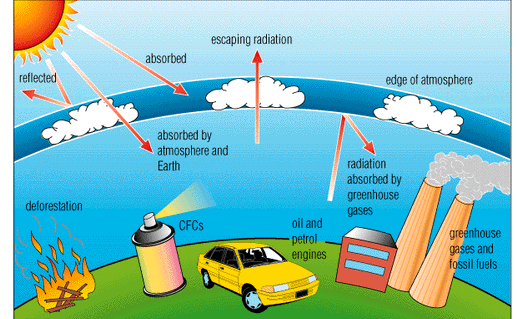
History of Global Warming
The concept of global warming is not new; scientists have been studying the Earth’s climate for centuries, and they have long recognized the potential for human activity to influence the climate. However, it was not until the 20th century that global warming became a major topic of scientific inquiry.
One of the first scientists to study global warming in depth was Swedish chemist Svante Arrhenius, who in 1896 published a paper outlining the potential for human activity to cause global warming. Arrhenius’s work was based on the idea that carbon dioxide, a greenhouse gas, could trap heat in the atmosphere and cause the Earth’s temperature to rise.
Since Arrhenius’s time, scientists have continued to study the Earth’s climate and the potential for human activity to influence it. In recent decades, however, the speed of research has accelerated, as the scientific community has become increasingly concerned about the potential consequences of global warming.
Causes of Global Warming
There is broad scientific consensus that global warming is primarily caused by human activities, particularly the burning of fossil fuels such as coal, oil, and gas. When these fuels are burned, they release large amounts of carbon dioxide and other greenhouse gases into the atmosphere. These gases trap heat from the sun, causing the Earth’s temperature to rise.
In addition to fossil fuel burning, other human activities can also contribute to global warming. For example, deforestation can reduce the Earth’s ability to absorb carbon dioxide, while agriculture and land use changes can release other greenhouse gases into the atmosphere.
Natural factors such as volcanic eruptions and changes in solar radiation can also influence the Earth’s climate, but these factors are believed to play a smaller role in global warming than human activities.
Effects of Global Warming
The effects of global warming are already being felt around the world, and they are expected to become more severe in the coming decades. One of the most visible effects of global warming is the melting of glaciers and ice caps, which is causing sea levels to rise. This in turn is increasing the risk of flooding in coastal areas and threatening the homes and livelihoods of millions of people.
Global warming is also causing changes in weather patterns, with more frequent and severe heat waves, droughts, and storms. These changes are affecting agriculture, water supplies, and ecosystems around the world.
In addition to these direct effects, global warming is also expected to have indirect effects on human health, through increased exposure to air pollution, waterborne diseases, and other health risks.
Solution to Global Warming
Given the severity of the potential consequences of global warming, action must be taken to reduce greenhouse gas emissions and mitigate the effects of climate change. There are many potential solutions to this problem, ranging from individual actions to government policies.
Individual actions can include reducing energy consumption at home, driving less, and eating a plant-based diet. These actions can help to reduce carbon emissions and raise awareness about the issue of global warming.
At the government level, policies such as carbon taxes, cap-and-trade systems, and renewable energy incentives can help to incentivize the reduction of greenhouse gas emissions. International agreements such as the Paris Agreement, which aims to limit global warming to well below 2 degrees Celsius above pre-industrial levels, are also important tools for addressing the issue.

 Our knowledge